Program details
-
Heterogeneity in DKD
Bridging the gap between renal pathology and clinical outcomes in DKD
Chair(s): Hunjoo Haa, Nan Hee Kim
Thursday 15 October, 14:30-15:30
Room 4
-
Diabetic kidney disease (DKD) follows heterogeneous clinical-pathologic trajectories that complicate prognosis and treatment. This session bridges renal pathology and long-term clinical outcomes, exploring how distinct pathologic patterns shape disease progression and how pharmacological strategies can decode this heterogeneity. By linking structural kidney injury to clinical endpoints, the session aims to advance precision-based approaches and improve risk prediction and therapeutic decision-making in DKD.
-
-
 RS1-L1
Ju-Young MoonKyung Hee University, Korea
-
Heterogeneity of clinical-pathological trajectories in DKD
-
 RS1-L2
Hiddo Lambers HeerspinkUniversity Medical Center Groningen, Netherlands
-
Decoding DKD heterogeneity: clinical pharmacological approaches to bridge renal injury and long-term outcomes
-
Multi-omics at the frontiers of metabolism and aging
Multi-omics at the frontiers of metabolism and aging
Chair(s): SungHee Choi, Hail Kim
Thursday 15 October, 14:30-15:30
Room 5
-
This session will showcase how state-of-the-art multi-omics technologies are redefining our understanding of metabolism, tissue biology, and aging. Through integrative analyses spanning circulating factors, spatial tissue architecture, and mitochondrial proteostasis, the session will provide new insights into systemic adaptation, cellular heterogeneity, and metabolic dysfunction in health and disease. The session will be particularly valuable for researchers and clinicians in metabolism, aging, and precision medicine, offering novel conceptual frameworks and translational opportunities for biomarker discovery and therapeutic development.
-
-
 RS2-L1
Hyon-Seung YiChungnam National University, Korea
-
Plasma and extracellular vesicle multi-omics responses to single bout of resistance and endurance exercise in humans
-
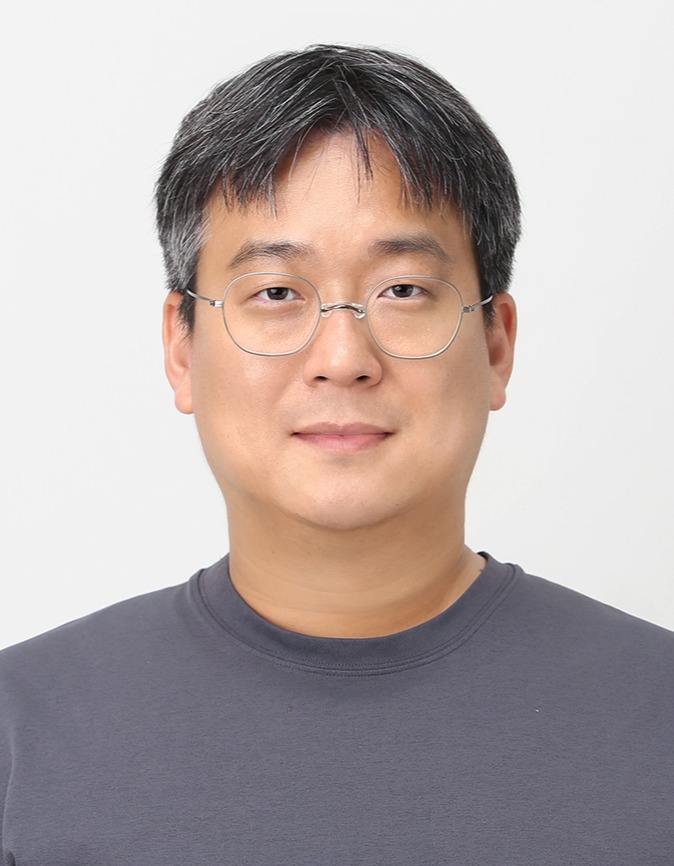 RS2-L2
Chang-Myung OhGIST, Korea
-
Aging reshapes sex- and diet-specific metabolic plasticity across the adipose–liver–muscle axis
-
 RS2-L3
Cheng ZhangKCL, UK
-
Spatially resolved metabolic flux modeling of liver tissue: integrating transcriptomics, metabolomics, and metallomics via genome-scale constraint-based modeling
-
Shared pathophysiology of geriatrics and diabetes
The complex nexus of aging and diabetes: metabolic, muscular, and renal perspectives
Chair(s): Dong-Hyeok Cho, Tae Seo Sohn
Thursday 15 October, 14:30-15:30
Room 6
-
This session explores the intricate pathophysiological interplay between aging and diabetes in older adults. Specifically, it elucidates the mechanistic overlap between metabolic aging and insulin resistance, demonstrating how physiological aging exacerbates glycemic dysregulation. It further examines the muscle-diabetes interface, specifically focusing on sarcopenia and malnutrition. Additionally, the unique clinical and pathophysiological complexities of chronic kidney disease in this demographic are comprehensively addressed. Ultimately, understanding these shared pathways will pave the way for advancing personalized, targeted therapies in geriatric care.
-
-
 RS3-L1
Jonghan ChoiKonkuk University, Korea
-
Metabolic aging and insulin resistance: mechanistic overlap in older adults
-
 RS3-L2
Hye Soo ChungHallym University, Korea
-
Sarcopenia and type 2 diabetes in older adults: pathophysiological mechanisms and therapeutic strategies
-
 RS3-L3
Eun RohSeoul National University, Korea
-
Chronic kidney disease in older adults with diabetes: clinical and pathophysiological perspectives
- Panel discussion
-
-
 RS3-P1
SungWan ChunPohang Semyung Christianity Hospital, Korea
-
 RS3-P2
Sung Hoon YuHanyang University, Korea
-
 RS3-P3
Jaehyun BaeHallym University, Korea
-
CGM, AID, insulin
What’s new in CGM and AID for insulin-treated patients?
Chair(s): Jae Hyeon Kim, Jae Hyoung Cho
Thursday 15 October, 15:40-16:40
Room 2
-
This session covers the latest advances in diabetes technology. Experts will detail the interpretation of core CGM metrics and AGP reports, including the GMI/A1C discordance research recently published in Diabetes Care. We will examine cutting-edge RCT results for the world's first Stage 5 connected insulin pen, and hear from a Medtronic expert on the imminent commercialization of fully automated insulin delivery (AID). This session is essential for advancing clinical practice with the latest technology.
-
-
 RS4-L1
Sang-Man JinSungkyunkwan University, Korea
-
Updates in CGM interpretation: from core metrics and AGP to GMI–A1C discordance
-
 RS4-L2
Ji Yoon KimKyung Hee University, Korea
-
Results from the first clinical trial of a stage 5 connected insulin pen
-
 RS4-L3
John ShinMiniMed, USA
-
Pathways to fully automated insulin delivery: scientific feasibility and remaining barriers
-
Holistic MASLD assessment
Comprehensive diagnostic tools for MASLD: evaluating steatosis and fibrosis
Chair(s): Eun-Jung Rhee, Kenneth Cusi
Thursday 15 October, 15:40-16:40
Room 3
-
Focusing on comprehensive MASLD diagnostics, this session systematically reviews noninvasive tools for evaluating steatosis and fibrosis. Lectures address current clinical utilities of advanced imaging, blood-based biomarkers, and emerging innovations like AI and radiomics. Ultimately, this session highlights a pivotal paradigm shift toward precision medicine, offering a transformative framework for future clinical screening and risk-stratification strategies.
-
-
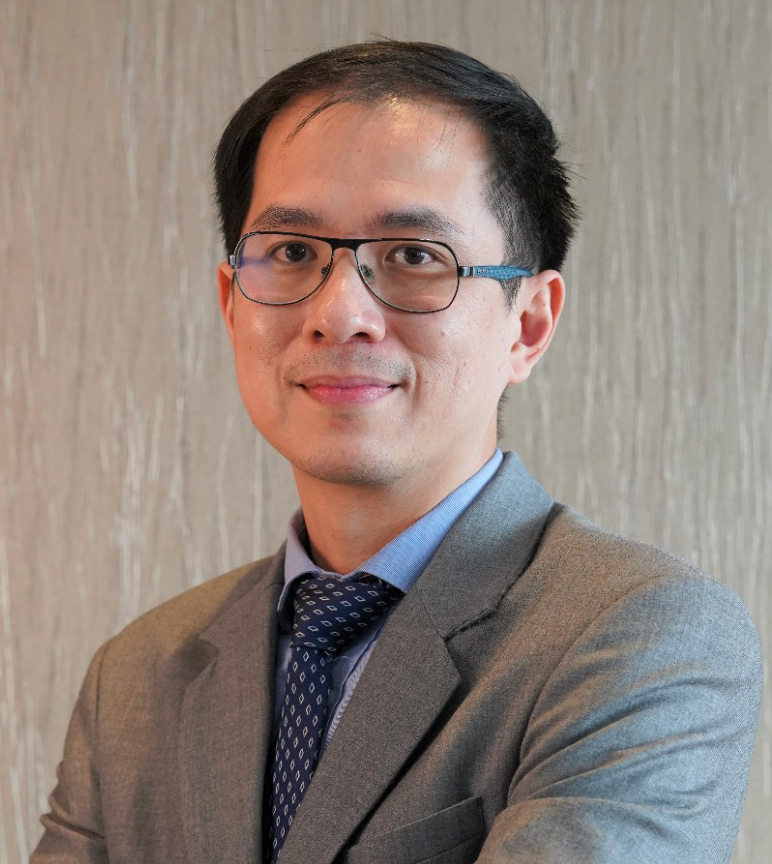 RS5-L1
Wah-Kheong ChanUniversiti Malaya, Malaysia
-
Noninvasive imaging for MASLD: from transient elastography to magnetic resonance imaging
-
 RS5-L2
Hye Won LeeYonsei University, Korea
-
Blood-based biomarkers and scores: practical approaches to fibrosis assessment
-
 RS5-L3
Terry Cheuk YipThe Chinese University of Hong Kong, China
-
Future directions in MASLD diagnostics: AI, radiomics, and multi-omics approaches
-
β-cell dysfunction
Compensatory and genetic determinants of β-cell function in diabetes
Chair(s): Keeho Song, Kyuchang Won
Thursday 15 October, 15:40-16:40
Room 4
-
Progressive β-cell dysfunction is a key feature of diabetes development and progression. This session will cover recent advances in β-cell biology, including mechanisms of compensation, dysfunction, and genetic susceptibility. Prof. Hyunki Kim will present single-cell insights into β-cell adaptation under metabolic stress, Prof. Jinsook Son will discuss ALDH1A3 as a therapeutic target for β-cell preservation, and Prof. Joon Ho Moon will explore the role of a diabetes-associated PAX4 variant in β-cell function. Together, these presentations will provide new perspectives on preserving and restoring functional β-cell mass in diabetes.
-
-
 RS6-L1
Hyunki KimKAIST, Korea
-
Compensatory signatures of β-cells and islet stellate cells in human obesity
-
 RS6-L2
Jinsook SonCornell University, USA
-
An unbiased drug screen to identify agents that reverse β-cell dedifferentiation
-
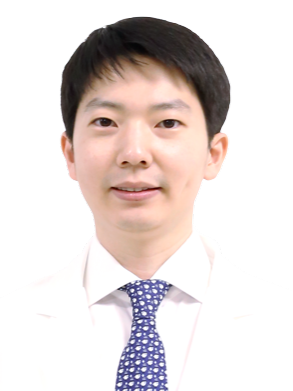 RS6-L3
Joon Ho MoonSeoul National University, Korea
-
Impact of type 2 diabetes-associated PAX4 variant on pancreatic beta cell function
-
Diabetic neuropathy, cardiac autonomic neuropathy, management
Addressing the systemic burden of diabetic neuropathy: vascular and mitochondrial dysfunction, advanced diagnostics, and comprehensive management
Chair(s): Ie Byung Park, Rayaz A Malik
Thursday 15 October, 15:40-16:40
Room 5
-
This session explores diabetic neuropathy through the lens of vascular injury, mitochondrial dysfunction, advanced autonomic diagnostics, and multimodal pain management. Integrating mechanistic insights with practical clinical strategies, the discussion will highlight how early detection and comprehensive care may reshape outcomes in diabetic neuropathy and cardiac autonomic neuropathy. The session underscores a future-oriented approach to precision evaluation and treatment.
-
-
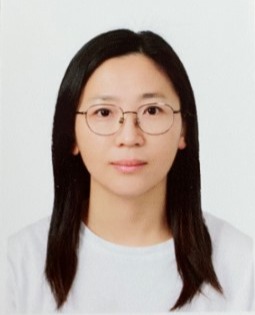 RS7-L1
Soo Kyoung KimGyeongsang National University, Korea
-
Microvascular angiopathy and mitochondrial dysfunction: the pivotal drivers of diabetic nerve damage and therapeutic targets
-
 RS7-L2
Ho-chan ChoKeimyung University, Korea
-
The search for biomarkers for early prediction of diabetic peripheral neuropathy
-
 RS7-L3
Ji HuSoochow University, China
-
Epigenetic regulation of diabetic neuropathy
- Panel discussion
-
-
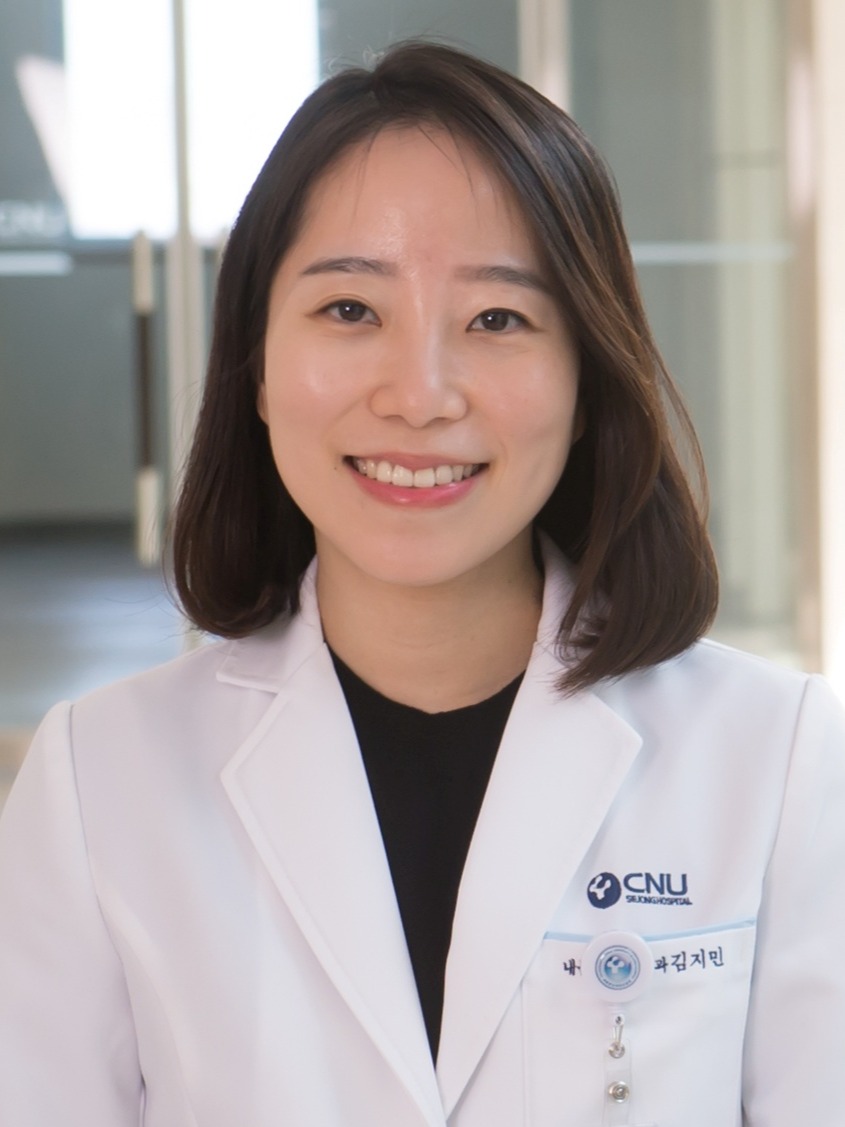 RS7-P1
Jimin KimChungnam National University Sejong Hospital, Korea
-
 RS7-P2
Kyung Ae LeeJeonbuk National University, Korea
-
 RS7-P3
Chong Hwa KimSejong General Hospital, Korea
-
Clinical updates in gestational diabetes mellitus
Clinical updates in gestational diabetes mellitus
Chair(s): Hak Chul Jang, Soo Heon Kwak
Thursday 15 October, 15:40-16:40
Room 6
-
This session will present contemporary evidence on gestational diabetes mellitus, covering early GDM, maternal glycemic management including continuous glucose monitoring, pregnancy outcomes, and the long-term health of offspring. By integrating global evidence with Korean clinical data, the session will provide practical insights into optimizing care of GDM and discuss future directions for improving maternal and offspring health.
-
-
 RS12-L1
Ronald MaThe Chinese University of Hong Kong, Hong Kong
-
Long-term complications of gestational diabetes: challenges and opportunities
-
 RS12-L2
Viswanathan MohanMardas Diabetes Research Foundation & Dr. Mohan's Diabetes Specialities Centre, India
-
Early GDM consensus statement
-
 RS12-L3
Hun Jee Choe동탄성심병원, Korea
-
The emerging role of CGM in gestational diabetes: evidence and future directions
-
CGM and AID
Digital innovation in diabetes
Chair(s): Keeho Song, Jee Hee Yoo
Thursday 15 October, 16:50~17:50
Room 2
-
Continuous glucose monitoring (CGM) and automated insulin delivery (AID) systems have fundamentally transformed the landscape of diabetes care, offering unprecedented opportunities for precision glycemic management. This session explores three core dimensions of diabetes technology: early initiation, pattern interpretation, and real-world adoption. By integrating evidence on optimal timing of CGM and AID use, practical approaches to translating glucose data into clinical decisions, and both patient and physician perspectives on technology in practice, this session aims to bridge the gap between digital innovation and everyday clinical application—equipping practitioners with actionable strategies for diverse patient populations.
-
-
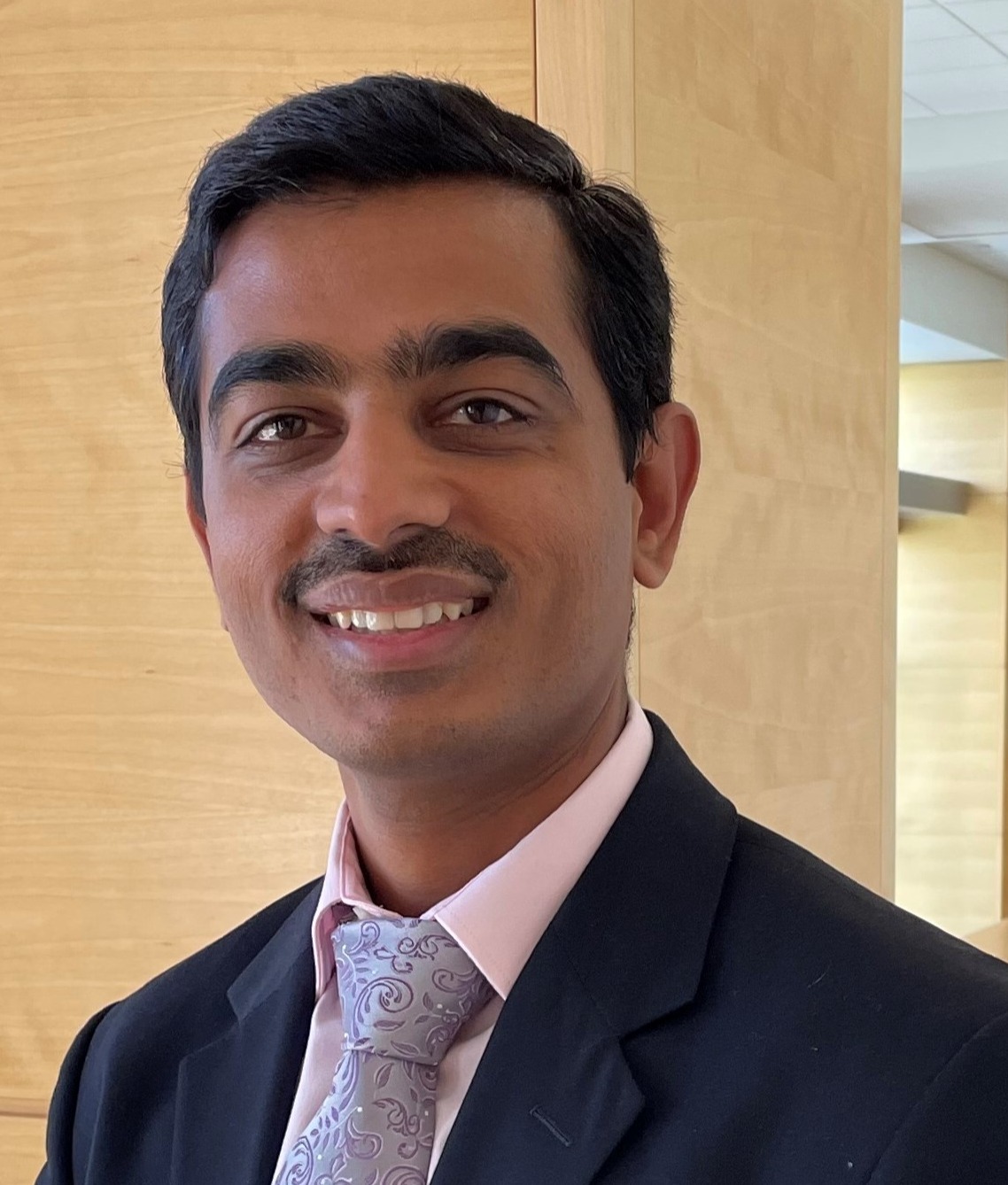 RS9-L1
Viral N ShahIndiana University, USA
-
Early initiation of CGM and AID in T1D
-
 RS9-L2
Seung-Hyun YooCatholic Kwandong University, Korea
-
The gap beyond the AGP: translating glucose patterns into prescribing decisions in type 2 diabetes and prediabetes
-
 RS9-L3
Noriko KodaniNational Center for Global Health and Medicine, Japan
-
Diabetes technology from a patient's and physician's perspective
- Panel discussion
-
-
 RS9-P1
Yeoree YangThe Catholic University of Korea, Korea
-
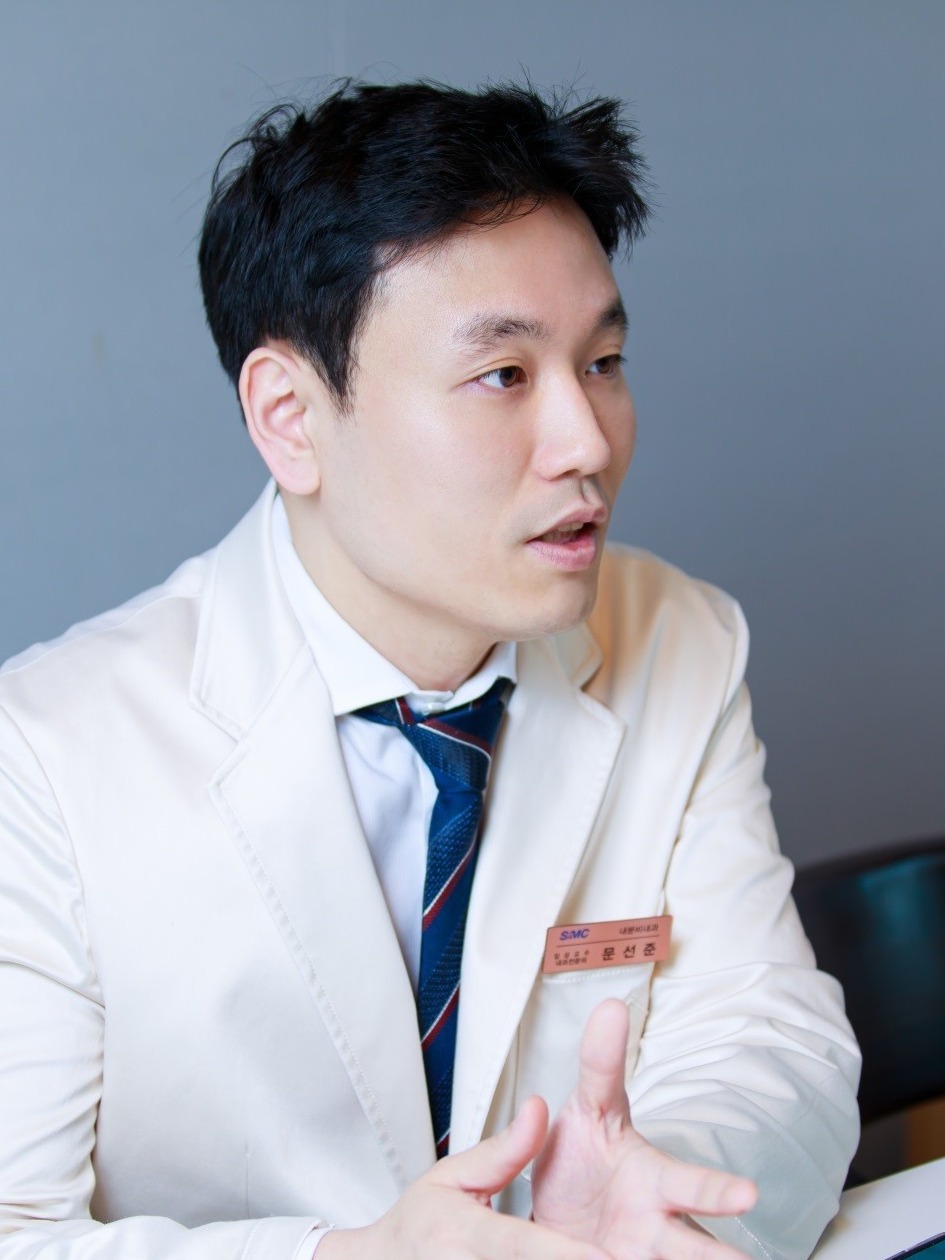 RS9-P2
Sun Joon MoonSungkyunkwan University, Korea
-
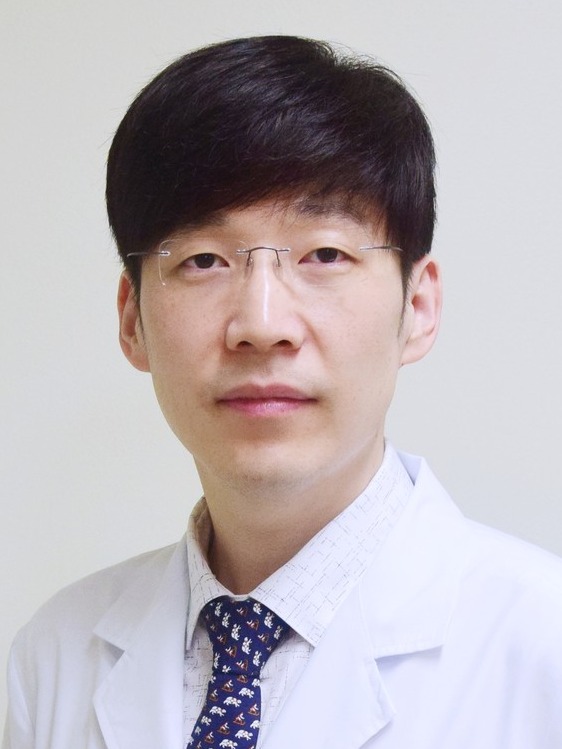 RS9-P3
Jun Hwa HongEulji University, Korea
-
Next-generation
Next-generation technologies and drugs targeting diabetic kidney and liver disease progression
Chair(s): You-Cheol Hwang, Ho-chan Cho
Thursday 15 October, 16:50~17:50
Room 3
-
Diabetic kidney and liver disease remain among the most pressing complications of diabetes, and next-generation therapeutics are entering a pivotal new phase. This session presents three advances: the clinical evaluation of CU01-1001 in diabetic kidney disease, Vanoglipel as the most advanced GPR119 agonist for MASH, and hepatic enzyme targeting as a strategy to suppress MASH progression, collectively bridging molecular targets with clinical application in diabetic organ complications.
-
-
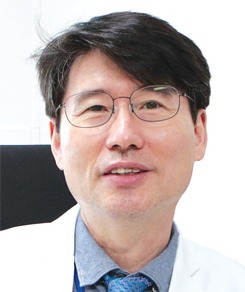 RS10-L1
Kyuchang WonYeungnam University, Korea
-
The efficacy and safety of CU01-1001 in subjects with diabetic kidney disease (DKD)
-
 RS10-L2
Mi-Kyung KimDong-A ST, Korea
-
Vanoglipel, the most advanced GPR119 agonist for MASH
-
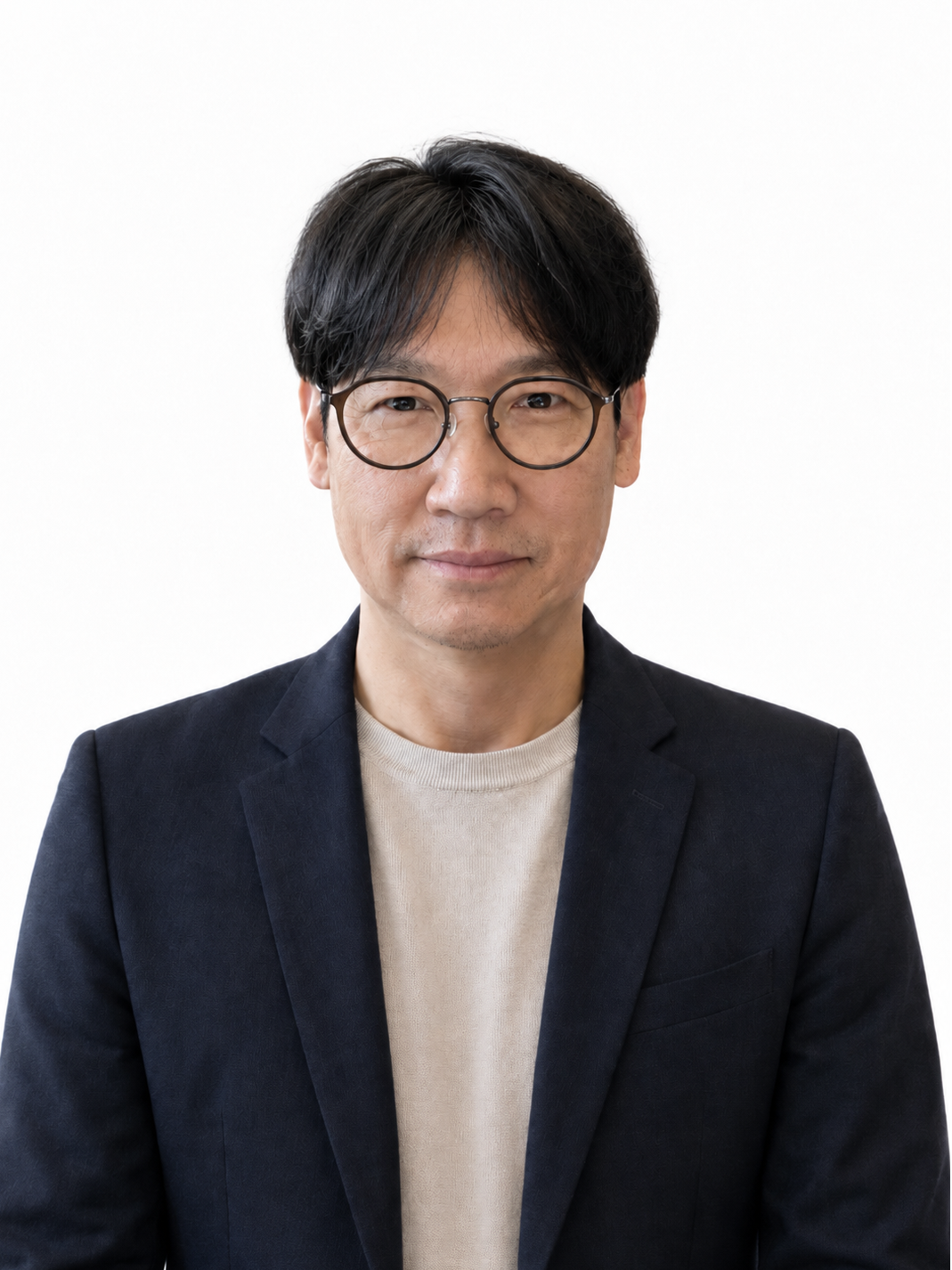 RS10-L3
Jaewhan SongYonsei University, Korea
-
Targeting hepatic enzymes as a strategy to suppress MASH
- Panel discussion
-
-
 RS10-P1
Seung Soon ImKeimyung University, Korea
-
 RS10-P2
Ju Yeon KimHanyang University, Korea
-
 RS10-P3
Eun Yeong HaKeimyung University, Korea
-
NT-proBNP in type 2 diabetes
Clinical utility of NT-proBNP in the management of type 2 diabetes: from risk stratification to therapeutic decision-making
Chair(s): Ji Oh Mok, In-Kyung Jeong
Thursday 15 October, 16:50~17:50
Room 4
-
Once regarded primarily as a biomarker of heart failure, NT-proBNP is now emerging as a valuable tool for cardiovascular and cardiometabolic risk stratification in patients with type 2 diabetes. In this session, the Research Group on Diabetic Vascular Disease brings together global, cardiology, and endocrinology perspectives to critically evaluate the clinical utility of NT-proBNP in patients with type 2 diabetes. Specifically, the presentations will explore NT-proBNP as a global marker of cardiometabolic risk, its integration into diabetes care from a cardiology and endocrinology perspective, and its role in the early detection and management of heart failure among patients with type 2 diabetes.
-
-
RS11-L1
Ronald MaThe Chinese University of Hong Kong, Hong Kong
-
NT-proBNP as a biomarker of cardiometabolic risk: global evidence and emerging perspectives
-
 RS11-L2
Ja Young JeonAjou University, Korea
-
Integrating NT-proBNP into diabetes care: implications for cardio-renal protection strategies
-
 RS11-L3
Dong-Hyuk ChoKorea University, Korea
-
NT-proBNP in the early detection and management of heart failure in patients with type 2 diabetes
-
Omics for clinical translation in diabetes
Omics, diabetes, clinical translation
Chair(s): Kyong Soo Park, Sung-Hoon Kim
Thursday 15 October, 16:50~17:50
Room 5
-
Clinical translation of genomic discoveries is transforming diabetes care through polygenic risk prediction, population biobanks, and precision medicine. This session explores recent advances in type 1 diabetes genetics, polygenic risk scores, and large-scale East Asian biobank studies that bridge research and clinical practice. These efforts will facilitate earlier risk stratification and more personalized approaches to diabetes prevention and management.
-
-
 RS8-L1
Stephen S. RichUniversity of Virginia, USA
-
Genetic basis of type 1 diabetes and utility of genetic risk scores across diverse genetic ancestries
-
 RS8-L2
Daeeun KimSeoul National University, Korea
-
Polygenic risk scores and heterogeneity in metabolic diseases
-
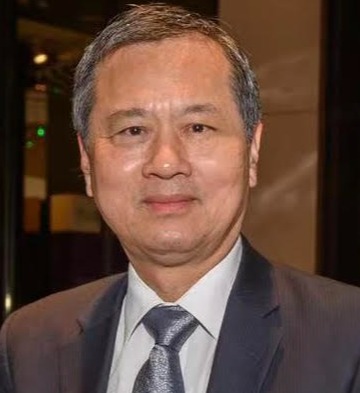 RS8-L3
Wayne Huey-Herng SheuNational Health Research Institutes, Taiwan
-
Biobank studies for diabetes in East Asia – Taiwan experience
-
Diabetes, from data to new medicine (K)
From infrastructure to impact
Chair(s): WonHo Kim, Heung Yong Jin
Thursday 15 October, 16:50~17:50
Room 6
-
Diabetes care is at an inflection point, moving from data to a new kind of medicine. This session bridges those two frontiers. We first trace how a nationwide, multi-center Common Data Model (CDM) cohort is evolving into an AI infrastructure for predicting diabetic complications, and then explore how AI-driven prognostic management and prescription digital therapeutics are reshaping everyday clinical care. In a panel bringing together the Korea National Institute of Health, the National IT Industry Promotion Agency, industry, and data-platform experts, we discuss how national data infrastructure can be translated into a new medicine that truly reaches patients.
-
-
 RS13-L1
Sang Youl RheeKyung Hee University, Korea
-
From cohort to national infrastructure: multi-center CDM-based AI for predicting diabetic complications
-
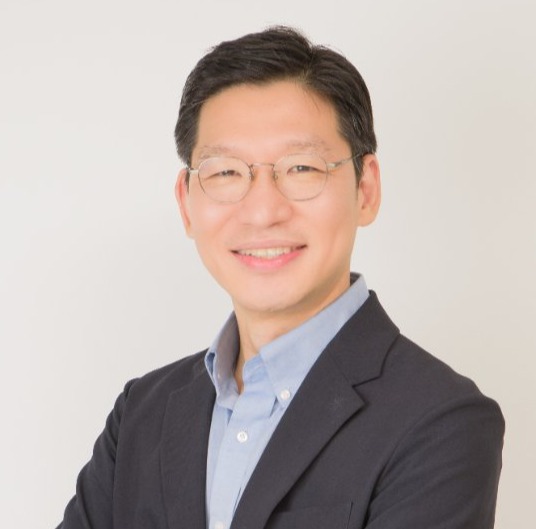 RS13-L2
Yul HwangboNational Cancer Center, Korea
-
Diabetes care using digital twins and generative AI agents
- Panel discussion
-
-
 RS13-P1
Seung Hee LeeNational Institute of Health, Korea
-
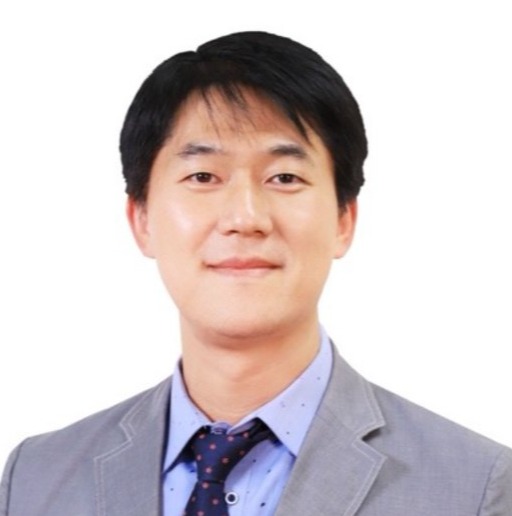 RS13-P2
Hyo Soung ChaWeknew Inc., Korea
-
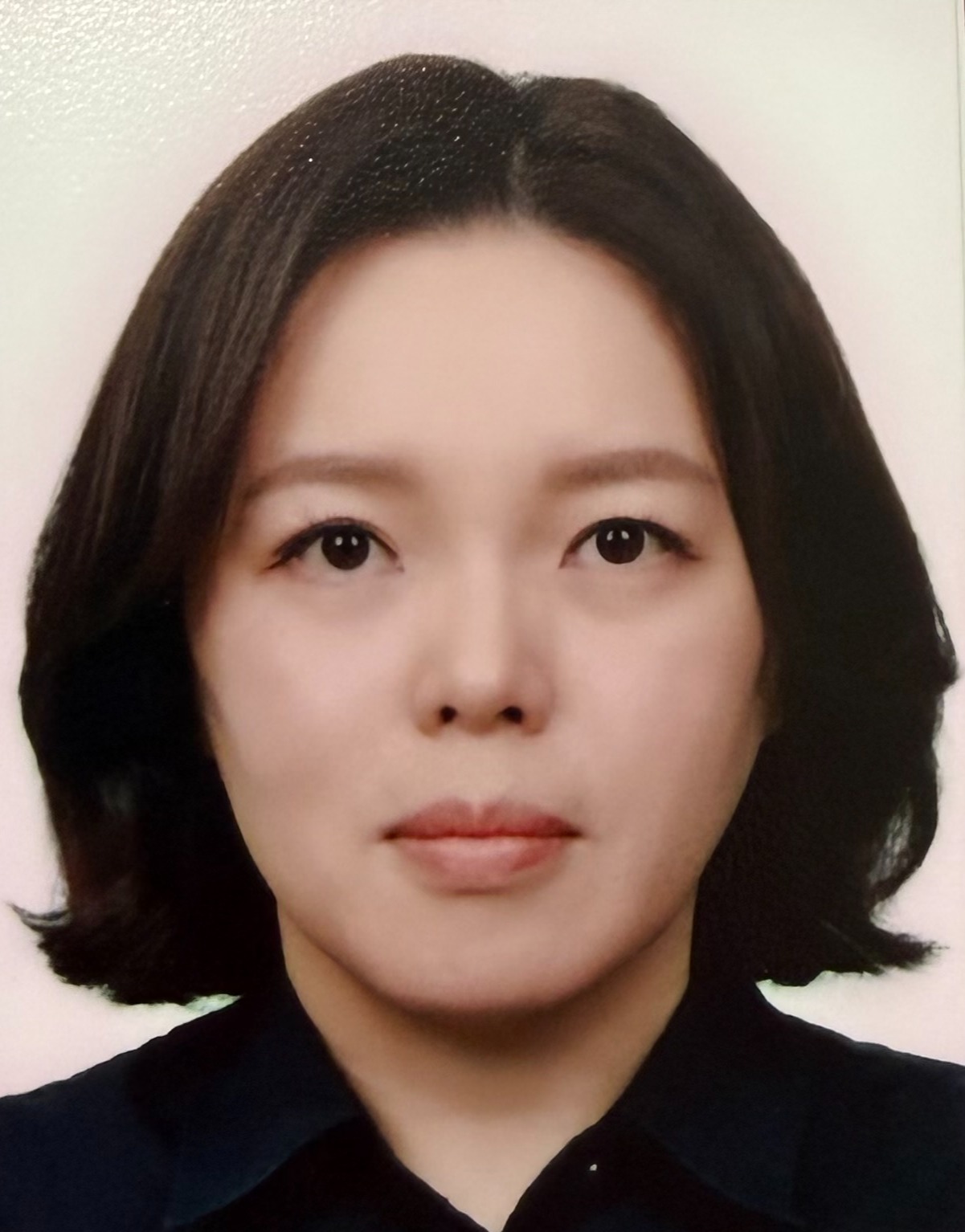 RS13-P3
Yoori ImEvidnet, Korea
-
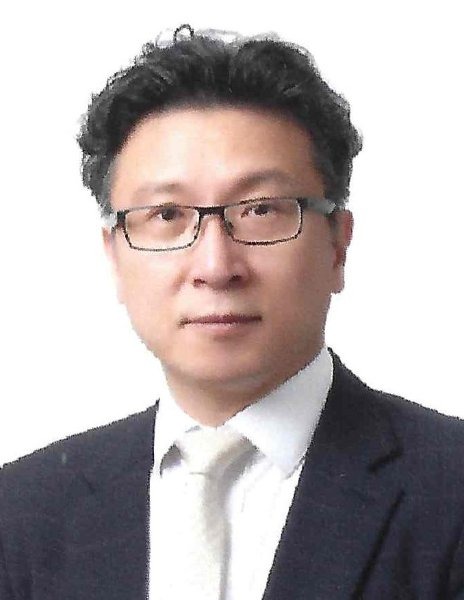 RS13-P4
Taehyun ParkOND Co.,Ltd, Korea